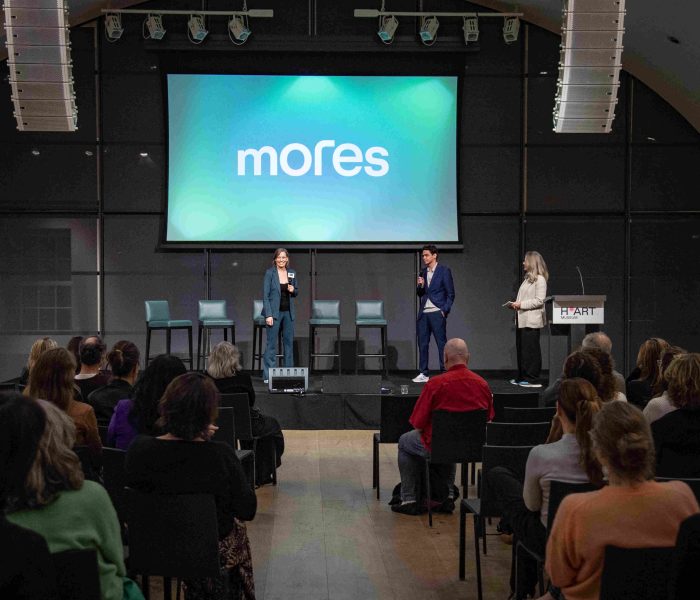
Mores has published the first national Social Safety Monitor for the cultural, creative and media sector. The study provides, for the first time, a broad picture of how professionals in these sectors experience social safety — and where improvement is needed.
What does the study show?
In the cultural sector, 28.1% of workers experienced some form of unwanted behaviour in the past year. The most common forms are intimidation, bullying and sexual harassment. Unwanted behaviour by managers or colleagues occurs 2.8 times more frequently in the cultural, creative and media sector than the national average.
One striking finding: most people experience their working environment as safe, but a significant proportion do not feel free to actually speak up about unwanted behaviour. Fear of negative consequences for their career plays an important role in this.
Basic provisions are also far from universally available. Just over half of workers report having access to a confidential adviser — nationally, that figure is 72%. For organisations that want to address this, Dans Veilig has developed a step-by-step guide (Dutch) to appointing a confidential adviser and an overview (Dutch) of LVV-accredited confidential advisers with knowledge of the dance sector. A code of conduct or reporting procedure is also still lacking in many organisations; the Dans Veilig handbook (Dutch) offers guidance on developing one.
Younger workers under 35 and freelancers are particularly vulnerable: they have less access to these provisions and face higher barriers to reporting unwanted behaviour.
Van inzicht naar actie
The report makes clear that there is still much to be gained in the sector, and that organisations play a key role in bringing about that change. Dans Veilig supports dance organizations and dance schools in building a socially safe working environment — with practical tools, advice and training.